
"Trends come and go — but knowing which ones to embrace is what separates good design from great." — Noveo Senior Designer Alexandra shares her take on the web design trends shaping 2026 and why our team is leaning into them.
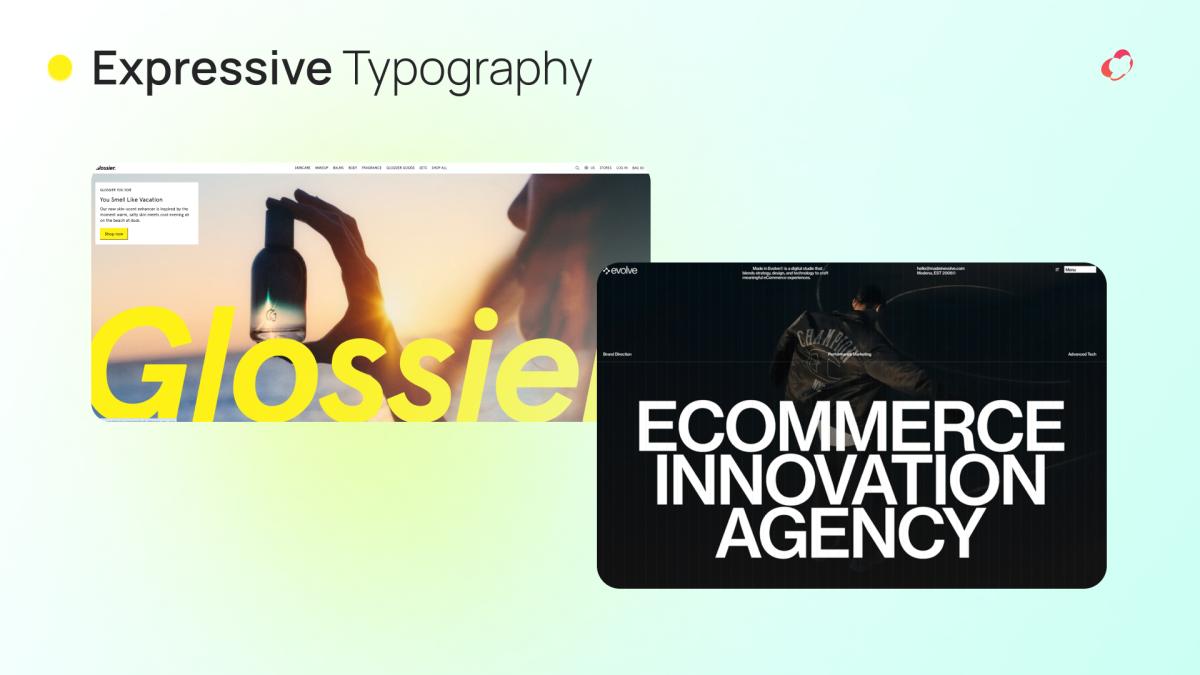
Expressive Typography
In 2026, design ceases to be merely a backdrop — it becomes the voice of a brand. Typography breaks free from the confines of readability and transforms into a storytelling tool. Brands are increasingly adopting custom fonts, experimenting with giant headlines, animation, and layered textures to captivate users from the very first click. Expressive typefaces now reign supreme everywhere: from landing pages to navigation menus. Kinetic typography, bold font pairings, and variable fonts that adapt to visitor interactions are all coming into play.
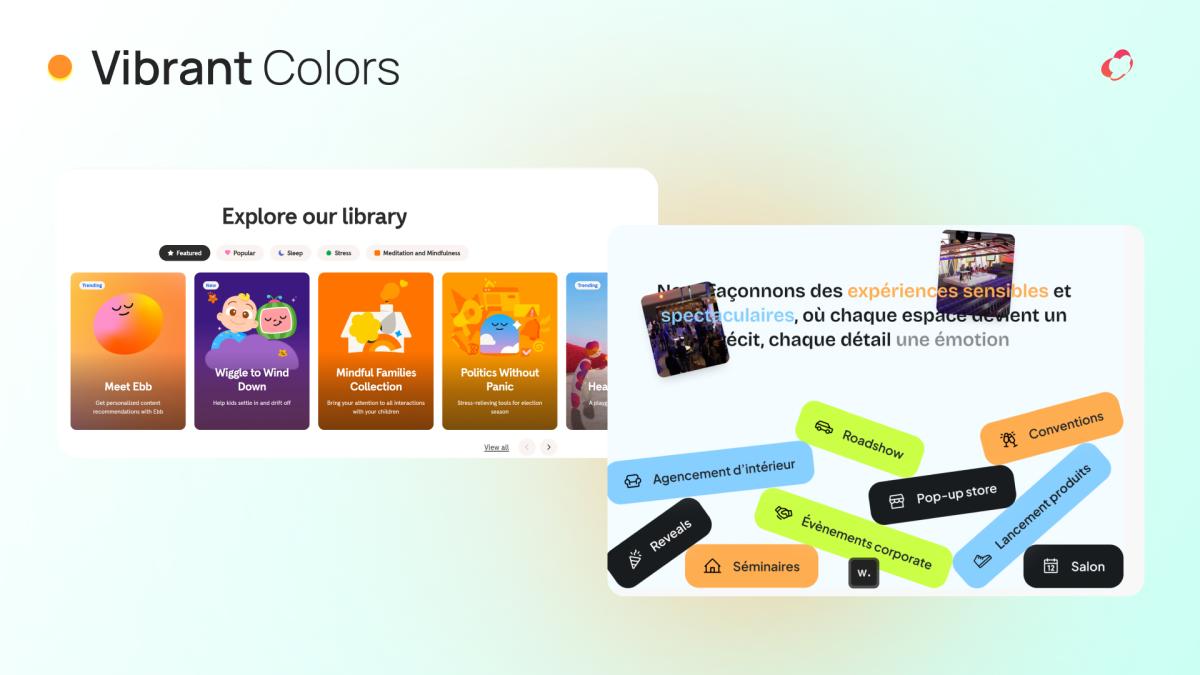
Vibrant Colors
In 2026, color reclaims its lost territory — and does so loudly. Subdued minimalism gives way to explosive palettes inspired by the turn-of-the-millennium aesthetics and the philosophy of "dopamine design." Neon gradients, screaming contrasts, and juicy hues become the foundation of visual identity for brands targeting youth and lifestyle sectors.
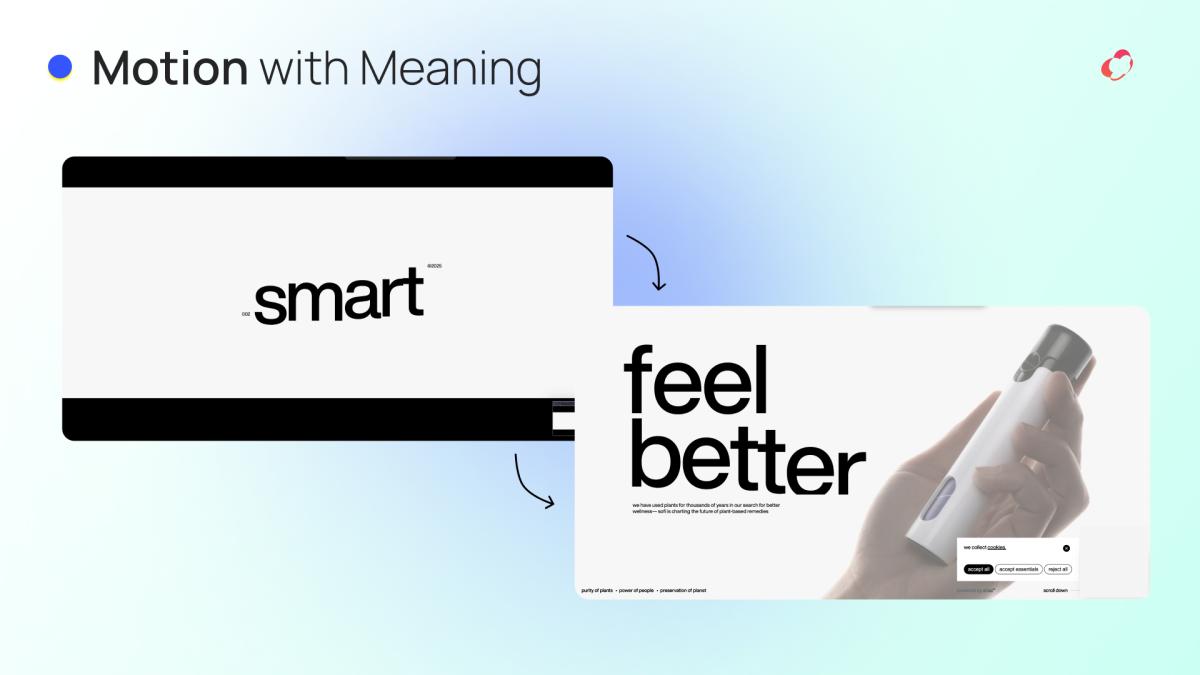
Motion with Meaning
Animation is no longer just decoration. It sets the rhythm and transforms static pages into living interfaces. Whether it's a subtle button response or an immersive narrative unfolding as you scroll (the famed "scrollytelling"), motion directs attention. Micro-animation holds a special place: smart triggers, element pulsing, and smooth transitions make interaction intuitive without sacrificing loading speed.
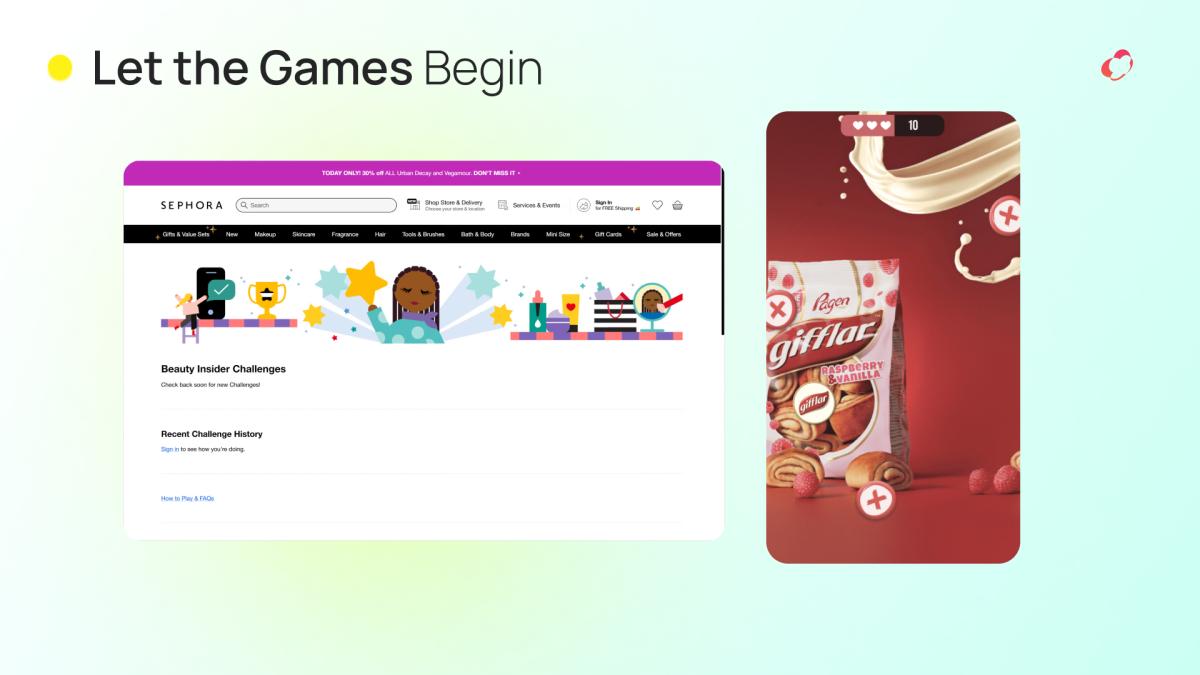
Let the Games Begin
Gamification blurs the line between a website and an attraction. Learning, shopping, or tedious form-filling increasingly feel like embarking on a quest. Points, levels, achievements, progress bars, and even leaderboards are integrated directly into the user experience. This isn't just entertainment: a reward system turns routine into excitement, motivating users to explore, return, and complete desired actions.
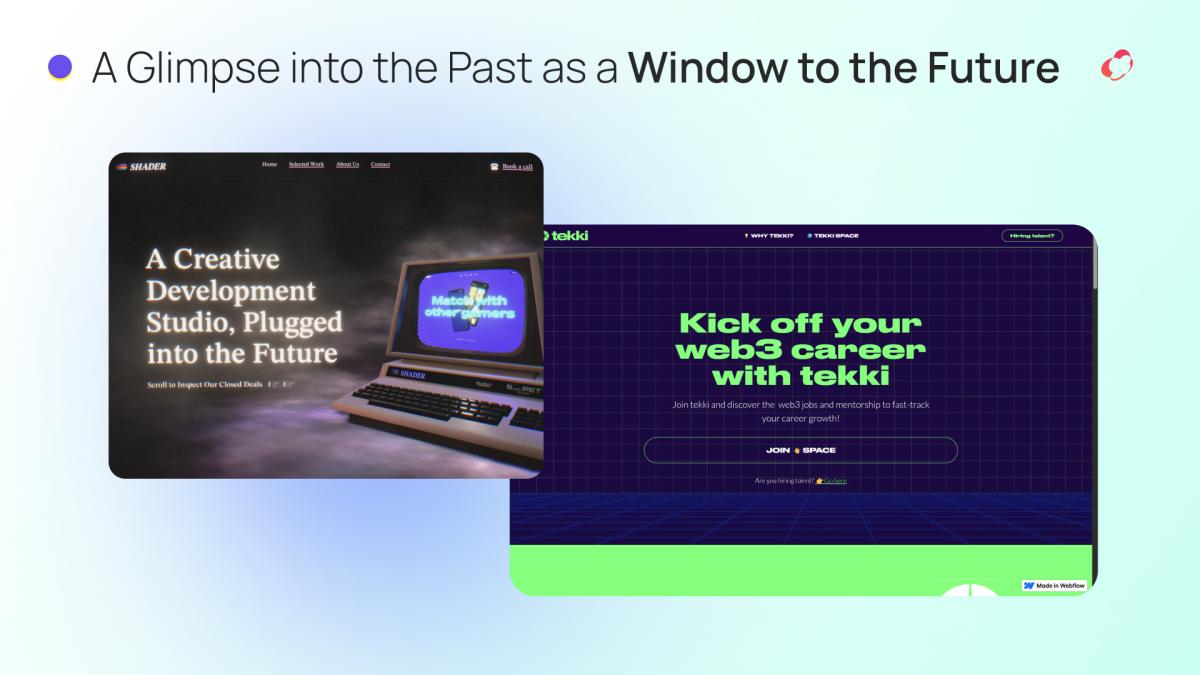
A Glimpse into the Past as a Window to the Future
Retrofuturism is taking over the digital space, blending vintage charm with futuristic optimism. Designers draw inspiration from science fiction, arcade games, and early web aesthetics: neon, chrome, pixel art, and bold gradients are back in vogue. This style works perfectly for image-driven projects, music platforms, and portfolios, allowing brands to highlight their individuality through nostalgia for a future that never was.
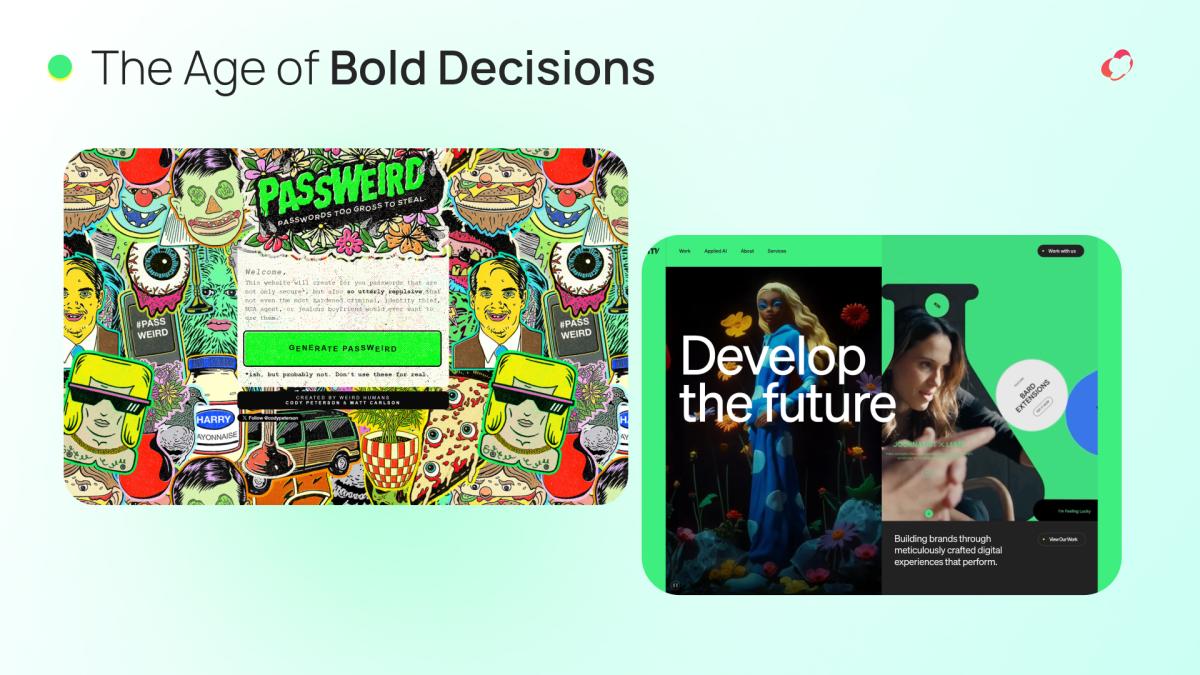
The Age of Bold Decisions
Minimalism isn't going away, but maximalism is confidently gaining ground. This is about smart luxury, not visual noise. Saturated palettes, object layering, large forms, and dense compositions create an energy that is utterly captivating. And tools like Figma allow designers to juggle overlapping shapes and overlay effects, crafting complex yet uncluttered compositions that invite close inspection.
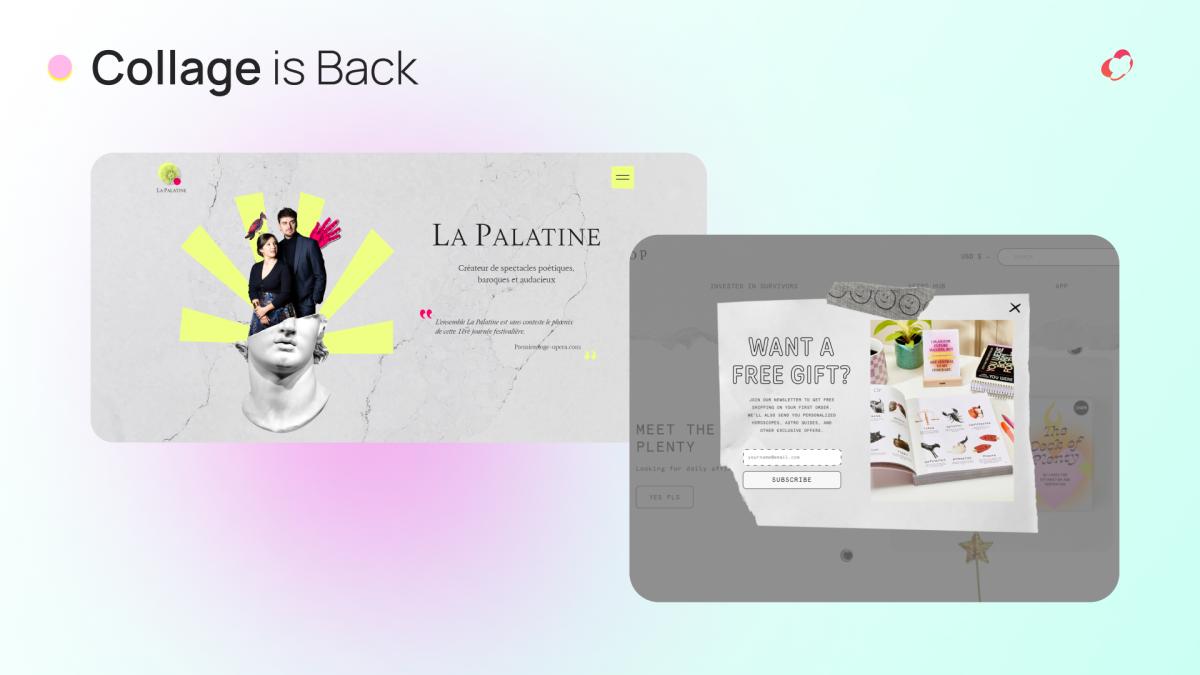
Collage is Back
Collage is undergoing a digital rebirth. In 2026, web design borrows the aesthetics of cut-outs and appliqués: torn edges, photo layering, stickers, and deliberately casual hand-drawn typography. This visual "noise" enhances memorability — the chaos is pixel-perfectly planned.
Lifestyle brands and portfolios were the first to embrace the trend: the mix of real and digital perfectly conveys individuality.
Technology and trends are merely tools, not the end goal. The market is moving towards hyper-saturation, but those who know how to dose their boldness will prevail. In 2026, success awaits designs that use expressive means thoughtfully, without sacrificing user experience for a momentary wow effect.
